BoNT on a Plate //
TOB1, Studio 1, Reading School of Art, 2021.

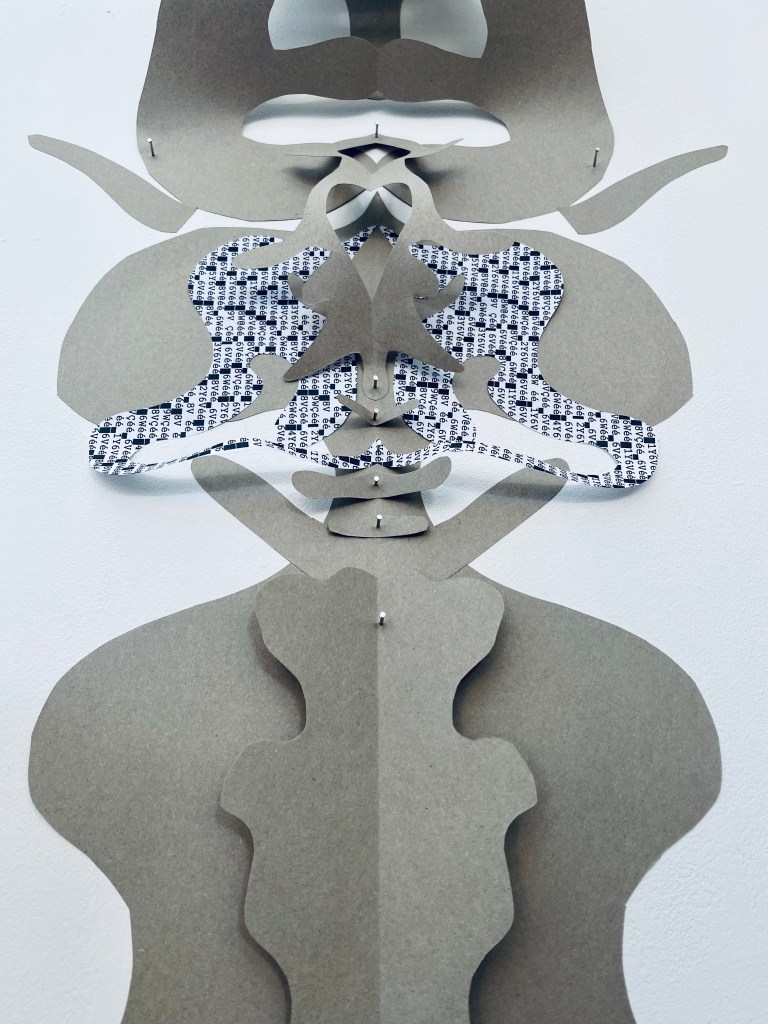
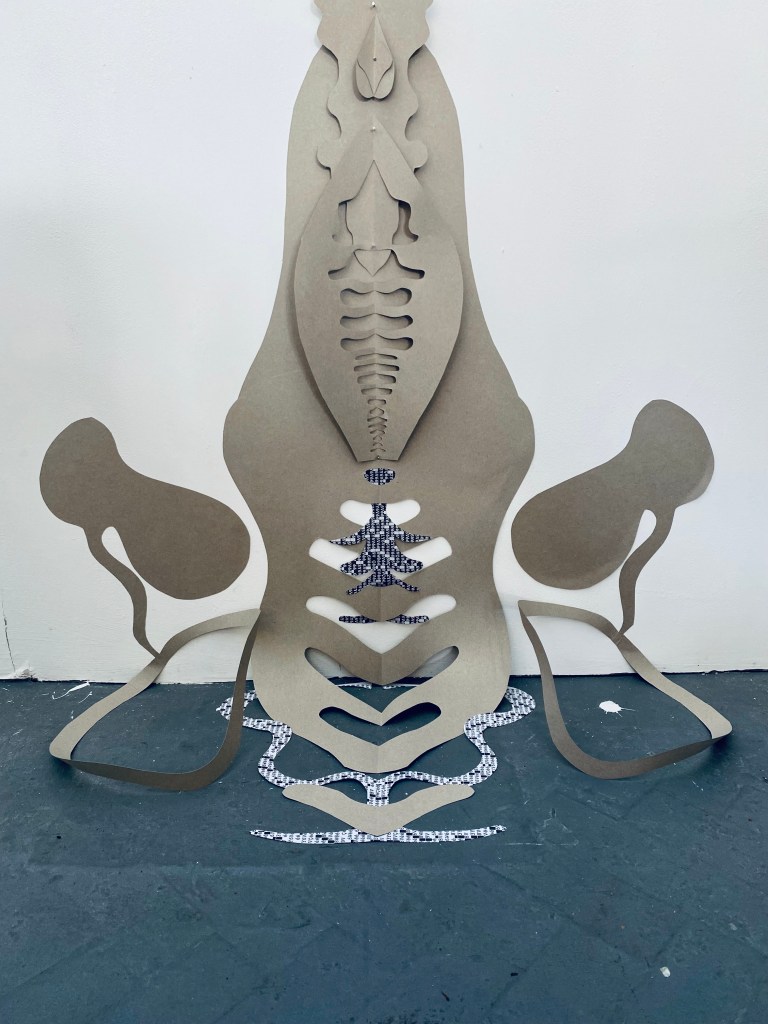
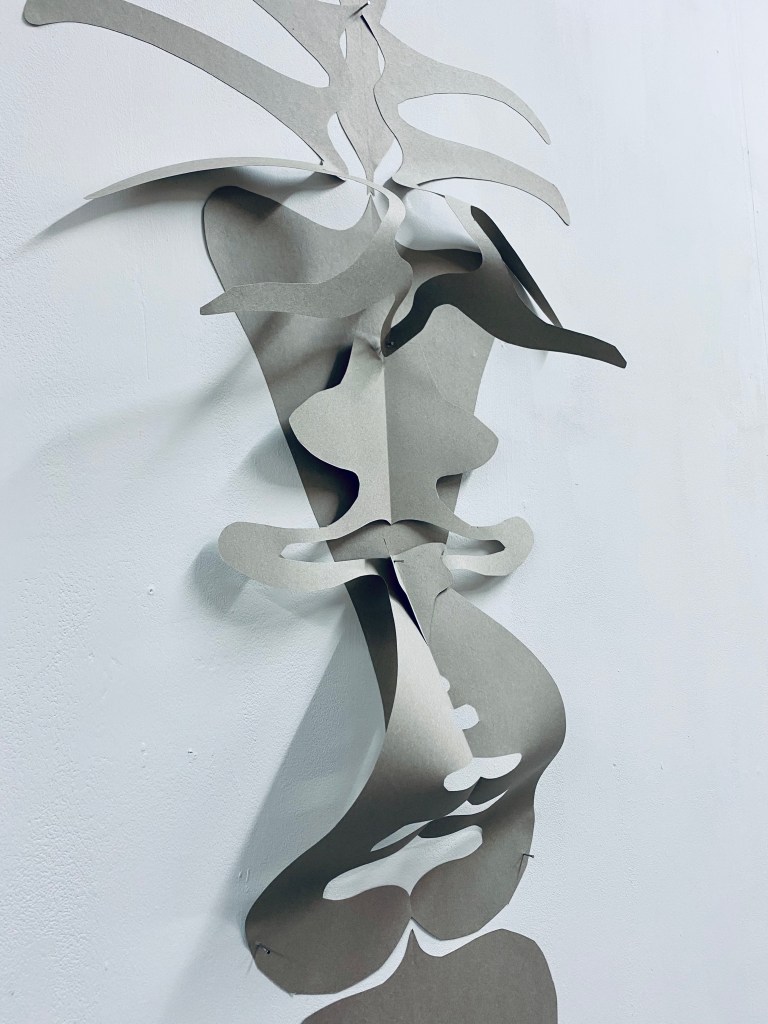
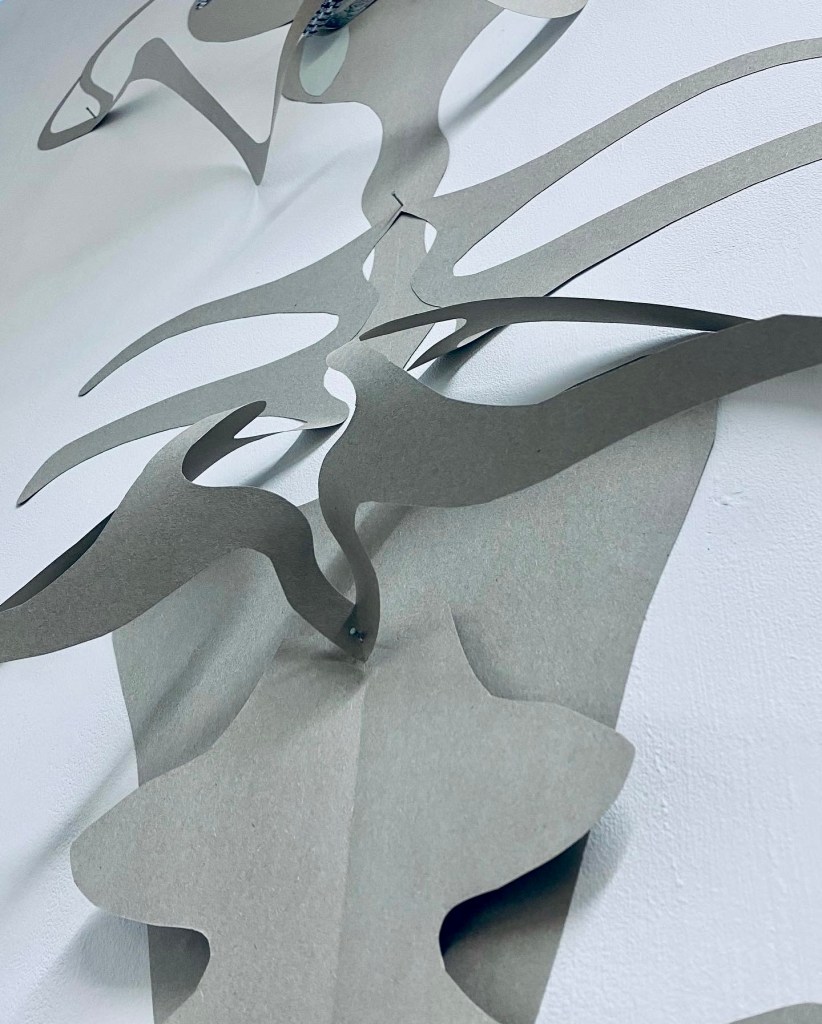
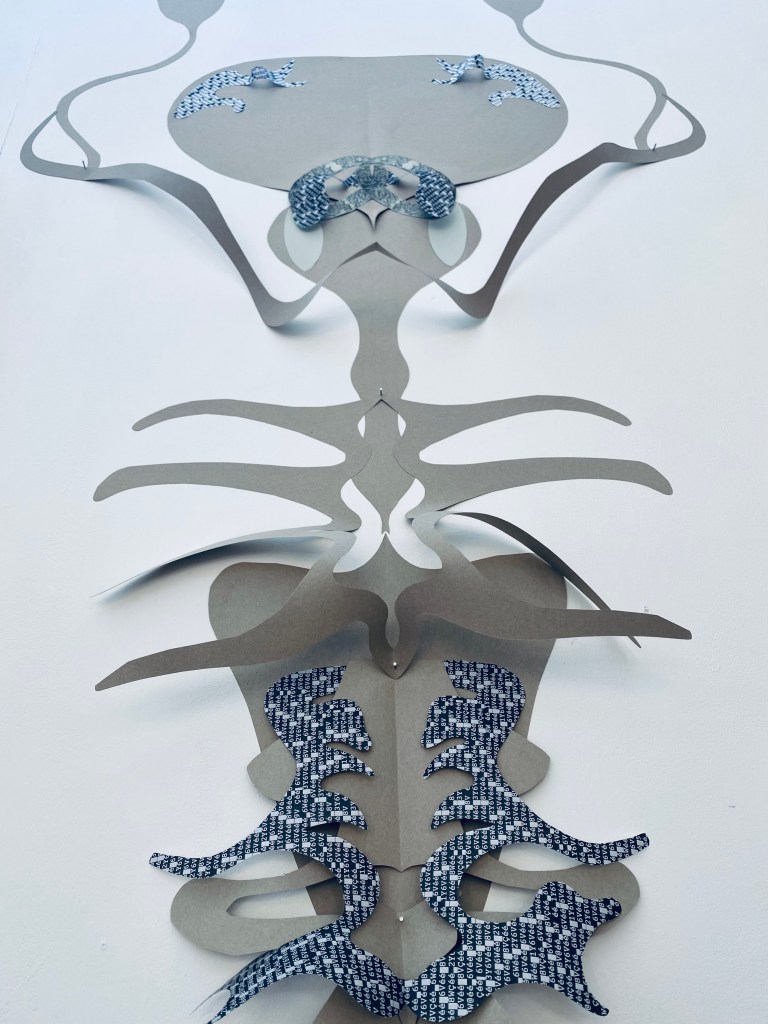
My initial interest in Botulinum (BoNT) was triggered following a conversation in which I was asked if I knew what the most potent & poisonous substance known to man is. I can’t remember the answer I gave, but it certainly wasn’t this neurotoxic protein that is produced by an anaerobic bacterium. Anaerobic meaning the existence of something in the absence of oxygen. Something which occupies a space that is missing something so vital, like oxygen, whilst maintaining the ability to produce or cause harm, is a concept that I wanted to explore.
My investigation into Botulinum was heavily influenced by online medical journals that describe in detail the adverse events of this so-called miracle toxin; What exactly did BoNt do at the neuromuscular junction in our bodies that caused fatal harm? Knowing that this substance has the power to kill, why do people inject it into their bodies willingly? When reading and absorbing the information that scientists laid out in these journals it was important for me to extract and analyse key words that I felt connected &/or contradicted each other in relation to how I could represent the substance in a new way. BoNt-A or more commonly known as Botox (BTX), sits on a therapeutic spectrum that has been expanding since its discovery. BTX has two key applications in categories of interest for me: pathology and esthetics. I aimed to diagrammatise these two polar uses.
From here I began a series of venn diagrams that housed phrases I read in medical journals into two overlapping categories; urology & esthetics. BTX being the mutual that brings them into my creative practice. BTX is both spore-forming & awe-forming, gram-positive & glam-positive. Overactive bladders can be treated with BTX, so can aesthetic disorders. I realised that production and perfection were connected with an indelible line. It is also the presence of lines that cause harmful psychological impact on some patients, these being facial wrinkles.
My creative process began on the studio wall, creating large paper cut outs of abstract symmetrical shapes that had a likeness to the urinary tract system in the human female. I wanted to perfect the shape of a human bladder. The paper cut outs became a relief wall collage, spanning over two metres and reaching well above my head. Once this work began to take shape, my thoughts around BTX were changing. I became increasingly interested in medical drawings from the 19th & 20th century. I explored the textural qualities I saw in anatomical plate drawings. With intricate pencil detailing, I created sinuous surroundings that flexed around the paper cut outs. These two different approaches created a stylized separation of muscle and bone, the wall collage began to resemble an internal space within the human body. Some of my drawings were then re-designed in photoshop, where I could create synthetic symmetry. By working both digitally and tangibly, I was able to create layered motifs of varying detail. I feel this is a strong element in my work and is also representative of a journey beneath the fleshy spaces of our skin. I’d like to scale my work up to exhibit – a paper sculpture that merges the simplistic qualities of paper cut outs & displaying so that it can present its information in a more profound way. Or in a way in which the audience can engage with and feel like they can begin to understand what it represents – much like the work that a diagram does.
The work of Hilma Af Klint, Fritz Kahn & Rachel De Joode were all visual influences for my own work. Their work has overlapping qualities that I took inspiration from at each stage in this project; abstraction, representation and functionality being paramount in their practices. I intend to further my exploration into ways of seeing the inside of the body. I feel as if so much of what happens in our bodies can be brought to our attention, I feel I need to create new perspectives and externalise what lies beneath us.
 CONNIE HOPE